Beyond the Workout: Why Recovery is Your Gym’s Secret to Engaged Members
Beyond the Workout: Why Recovery is Your Gym’s Secret to Engaged Members
Honestly, when I started out as a trainer back at Les Mills in the Auckland CBD, we focused heaps on the grind. More reps, heavier weights, smashing PBs. And look, that stuff still matters. But after 12 years in this game, I’ve seen a huge shift. We’re in autumn now, the weather’s getting a bit cooler across Aotearoa, and people are moving indoors. It’s the perfect time to talk about something crucial, something that’s often overlooked when we’re trying to boost gym member engagement ideas: recovery.
It’s not just about what you do in the gym; it’s about what you do after the gym. And that’s a lesson we, as an industry, need to get better at teaching our members. Because if they aren’t recovering properly, they’re not seeing the results they want. And when results stall, motivation often goes with it. Not great for your gym’s retention, eh?
Why Your Members Need a Recovery Playbook
Think about it like this: your car needs fuel, but it also needs regular servicing to run efficiently. Your body’s the same. You put in the hard work, but without proper recovery, you’re running on fumes. I had a client once, a keen marathon runner, who just couldn’t shake off fatigue. We tracked her training, her sleep, her nutrition — turns out she was neglecting recovery entirely. Once we dialled that in, her performance soared. It’s a simple concept, but heaps of members miss it.
A recent trend report for 2026 confirms this: gym owners should really emphasize recovery, personalised training, and mental health benefits in their fitness programs. It’s about sustainable training, not just burning calories. This isn’t just a nice-to-have anymore; it’s a core component of a successful fitness journey.
Active Recovery: More Than Just Sitting Around
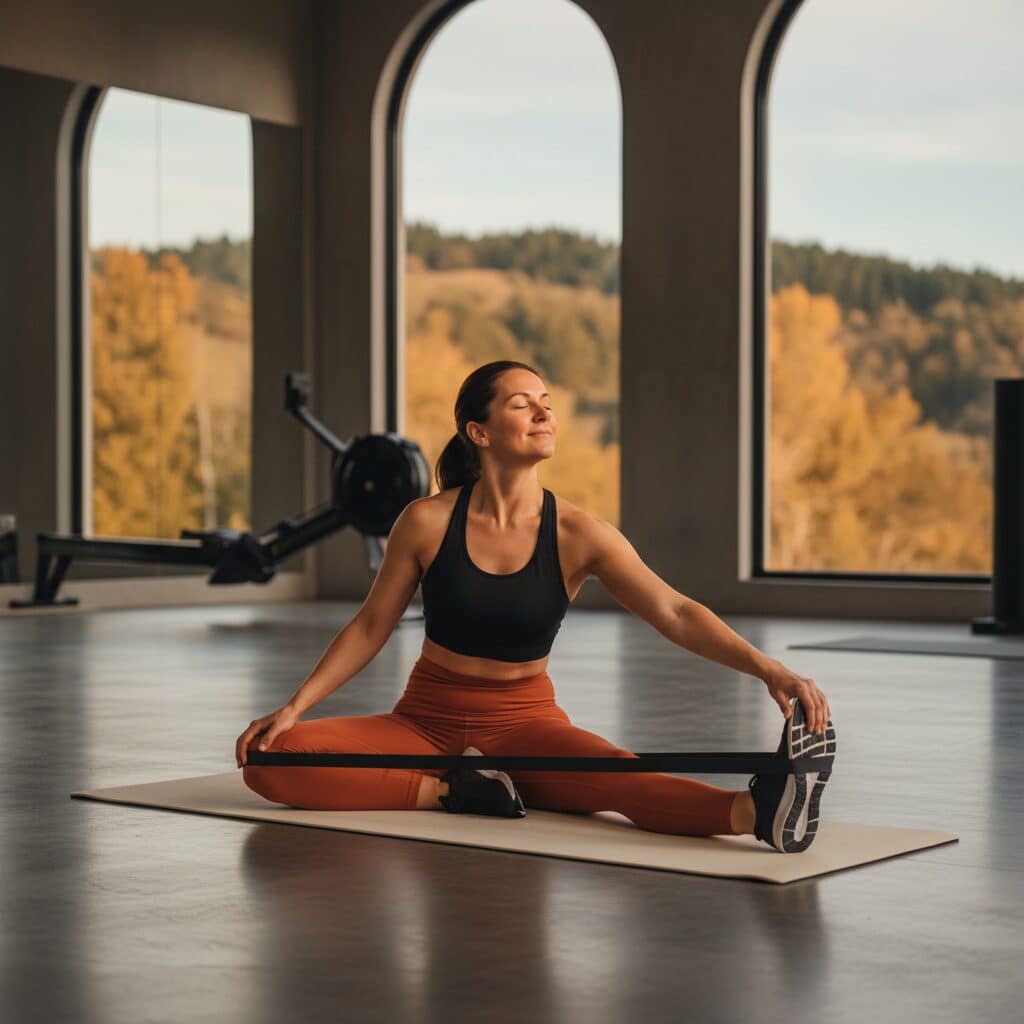
When most people think ‘recovery’, they picture lying on the couch. And sometimes, that’s exactly what’s needed. But often, it involves movement. Active recovery means slower, low-effort movement that keeps your body moving without adding strain. It’s like a gentle massage for your muscles.
What does this look like in practice? Think a light treadmill walk, a mobility session, or even a yoga class. The goal is to keep blood flow steady, helping clear out metabolic waste and bring fresh nutrients to those hardworking muscles. One gym owner in Christchurch told me they saw a 15% increase in attendance at their mobility classes after rebranding them as ‘recovery flows’. That’s a huge difference.
- Gentle Walks: Even a 20-minute stroll around the block can do wonders.
- Light Cycling: Keep the resistance low and the pace easy.
- Yoga & Pilates: Fantastic for flexibility, core strength, and mindful movement.
- Foam Rolling & Stretching: Target those tight spots and improve range of motion.
The Power of Smart Tracking (Without the Overwhelm)
Here’s the thing — we live in a world overflowing with data. It can feel a bit much, especially when you’re trying to just focus on getting fit. But smart tracking, especially around recovery metrics, can be incredibly powerful. We’re talking sleep quality, heart rate variability, energy levels. It helps members become savvier about what their bodies truly need.
Soon-to-be-released research suggests gym members are nearly twice as likely to have a clear idea of what they need and want when their club helps them interpret their data. That’s where a good fitness tracking app for gyms comes into its own. It’s not about drowning them in numbers, but helping them understand what those numbers mean for their progress and recovery.
Transform Your Fitness Practice
Join thousands of Kiwis who’ve found their fitness companion.
No downloads, no hassle — just results.
Imagine your members logging their sleep or simply chatting about how they feel, and their PATO companion gives them a heads-up: “Hey, you crushed it yesterday, maybe today’s a good day for a gentle walk and some stretching.” That’s pretty sweet as, right? It takes the guesswork out of recovery and makes it friction-free.
Making Recovery Fun & Rewarding
Nobody wants recovery to feel like a chore. That’s why gamification can be a real winner. If members get XP, badges, or even real rewards for hitting recovery goals — like completing a ‘rest day’ challenge or logging 7 hours of sleep — they’ll be more inclined to do it.
We’re talking protein shakes, PATO merch, or even discounts on a massage or PT session. My own boutique studio in Grey Lynn saw a huge uptick in member engagement when we started rewarding them for consistent stretching routines. People love feeling acknowledged for the effort they put in, even when it’s just ‘rest’.
And let’s be honest, seeing your PATO Health duck companion reflect your diligent recovery efforts? That creates a unique kind of accountability. It’s a visual reminder that every part of their fitness journey — including recovery — contributes to their overall wellness.
Beyond Physical: The Mental Side of Recovery
Modern strength training isn’t just about pure maximal strength anymore. It’s about work capacity, movement quality, and resilience. But that resilience isn’t just physical. It’s mental too. Stress, whether from work or life, impacts physical recovery heaps.
Encouraging members to take a few minutes for mindfulness, even simple deep breathing exercises, can make a massive difference. This ties into the broader trend of mental health being a key component of overall wellness. As gym owners, we’re not just selling sweat; we’re selling a better quality of life.
So, What’s the Takeaway for Your Gym This Autumn?
As the days get shorter and we start looking towards winter goals, it’s the perfect time to re-engage your members around the often-missed piece of the fitness puzzle: recovery. You’ll keep gym members motivated and engaged when they see consistent results, and consistent results come from a balanced approach to training and rest.
Focus on educating them about active recovery options. Give them tools — like a chat-first companion app built right here in Aotearoa — to track their recovery simply and effectively. And, importantly, make recovery part of the fun, gamified journey, not just an afterthought. When you help members understand and prioritise recovery, you’re not just building stronger bodies; you’re building a stronger, more engaged community. And that, to me, is what it’s all about.