Predicting the Autumn Slump with AI & Wearable Data
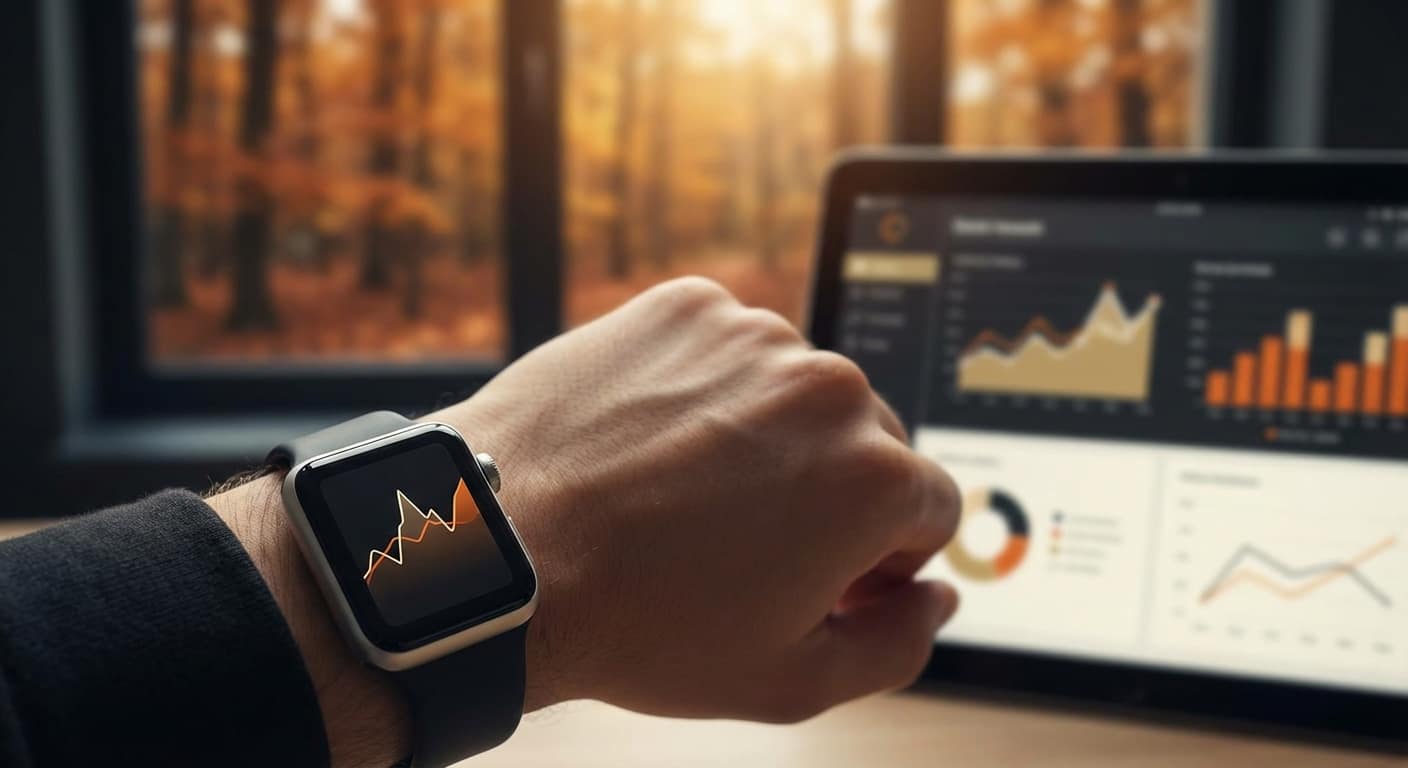
What if you could see the winter slump coming before your members even miss a single session? We all know the pattern: the post-summer motivation wanes, the clocks go back, and suddenly the gym feels a little quieter.
Every year, I see gym owners in Auckland and across the country scramble in June or July, trying to win back members who have already fallen off the wagon. But here’s the thing: the slump doesn’t start in winter. It begins quietly, in autumn, with subtle shifts in behaviour that are almost impossible to spot with the naked eye.
The Invisible Clues Hiding in Plain Sight
A drop in motivation isn’t an event; it’s a process. It doesn’t begin with a missed workout. It begins with a few nights of poor sleep, a drop in daily steps, or an increase in stress that shows up in data like Heart Rate Variability (HRV).
These are the leading indicators. Attendance is a lagging indicator. By the time you notice someone hasn’t swiped in for two weeks, you’re already playing catch-up.
And here in New Zealand, the data is literally at our fingertips. The Statista Market Forecast shows a massive uptake in fitness trackers and wearable tech. Our members are already collecting this valuable information; we just need a smart way to use it to support them.
A Lesson from a Client Named Dave
I remember training a client a few years back, let’s call him Dave. He was a classic go-getter, three sessions a week like clockwork for almost a year. Then one Tuesday, he was a no-show. Then the following Friday. When I finally got him on the phone, he confessed he’d “lost his mojo” and felt too burnt out to even think about training.
Looking back, if I could have seen the bigger picture, I would have spotted the warning signs weeks earlier. A tool that could have shown me his sleep quality was declining or his daily activity outside the gym was plummeting would have been a game-changer. I wouldn’t have pushed him for another heavy deadlift day; I would have suggested a deload week, focused on mobility, or just had a coffee and a chat about managing his stress. We were reacting to the symptom (missed sessions) instead of treating the cause (burnout).
From Data to Action: Predictive AI in Fitness
This is where smart tech and predictive AI fitness come in. It’s no longer about simply counting reps or tracking bookings. The new frontier is about understanding the holistic wellbeing of your member base by analysing aggregated, anonymised data from the wearables they already use.
Imagine seeing a dashboard that shows the collective sleep score of your members has dropped by 10% in the last fortnight. That’s not about singling anyone out; it’s about identifying a community-wide trend. This insight is gold. It allows you to move from reactive to proactive.
Instead of a generic “We miss you!” email, you can launch a timely, relevant campaign. You could run a “Sleep for Success” challenge, host a seminar with a nutritionist, or adjust the class schedule to include more restorative yoga or stretch sessions. This is the kind of powerful, data-driven member engagement that really works.

Transform Your Fitness Practice
Join thousands of Kiwis who’ve found their fitness companion.
No downloads, no hassle — just results.
The Kiwi Gym Advantage
The great thing is, the New Zealand fitness industry is primed for this. The latest GymMaster survey highlights that gym owners here are early adopters of technology, constantly looking for an edge. Using gym member data analytics isn’t some far-off fantasy; it’s the logical next step in creating a world-class member experience.
By leveraging tools that offer insights into using wearable data for retention, you’re not just running a fitness facility; you’re building a responsive, supportive health hub that genuinely understands its members’ needs before they even voice them.
Your Proactive Autumn Retention Plan
Instead of waiting for the winter chill to empty your gym, you can get on the front foot right now. It’s about building a smarter, more connected community that feels supported through every season.
- Start the Conversation About Data: Frame connecting wearables as a direct benefit to your members. It helps them track progress, join community challenges, and get more personalised support from your team.
- Look for Patterns, Not Just Absences: Shift your focus from the lagging indicator of check-ins to the leading indicators of daily activity, sleep, and recovery scores. This is where you’ll spot the earliest signs of disengagement.
- Turn Insights Into Action: Data is useless without action. If you see stress levels rising across your member base, launch a mindfulness challenge. If activity is dropping, start a fun, gamified step competition with a platform like PATO to boost engagement.
- Communicate with Empathy: Use these insights to start helpful conversations. A targeted in-app message like, “Feeling the autumn slump? We’ve added a new mobility class on Wednesday nights to help you recover and recharge,” is far more effective than a generic newsletter.