Beyond Reps & Sets: AI & Autonomic Stress Tracking
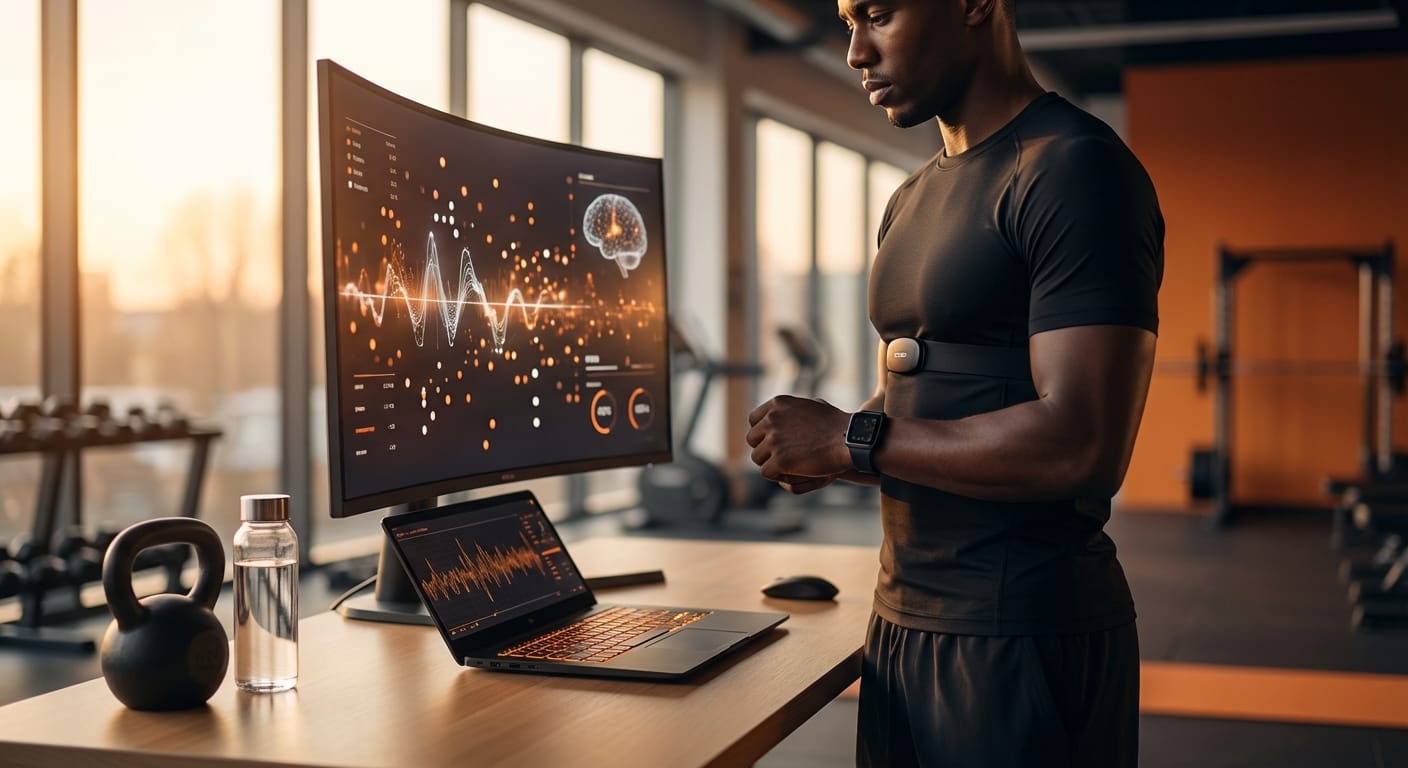
Are Your Members Training Hard or Just Tiring Themselves Out?
Here’s a tough question: what if the biggest reason your members stop showing up isn’t the workout, but everything that happens after the workout? We’re brilliant at tracking sets, reps, and kilometres run. But what are we tracking when it comes to a member’s actual capacity to train?
As we head into the cooler, darker months here in NZ, energy levels can take a dive. Pushing a member who is already running on empty is a fast track to burnout and, eventually, a cancelled membership. It’s time we shifted the conversation from tracking activity to tracking readiness.
The Hidden Metric That Changes Everything: Autonomic Stress
Let’s get a little geeky, but I promise it’s worth it. Our bodies are governed by the Autonomic Nervous System (ANS), which has two famous branches: the ‘fight or flight’ (sympathetic) system and the ‘rest and digest’ (parasympathetic) system. An imbalance here is the root cause of overtraining and burnout.
Historically, gauging this has been pure guesswork. But now, we can measure it directly. The key is Heart Rate Variability (HRV) – the tiny, millisecond variations between each heartbeat. A high HRV generally means your ‘rest and digest’ system is in control and you’re ready to go. A low HRV signals your ‘fight or flight’ system is dominant, and you’re under stress.
This isn’t just a wellness trend. Research confirms it. Scientific measures like the Baevsky stress index (SI) use HRV data to precisely quantify the load on our nervous system. We now have the tools to see, in black and white, whether someone is primed for a PB or needs to dial it back.
A Lesson from an Overtrained Client
I remember a client from my early days as a trainer in Wellington, a super-driven guy named Matt. He was smashing his programme, always asking for more, and the numbers in his workout log looked incredible. Then, after about two months, it all fell apart.
He hit a wall. His strength plateaued, he caught every cold going around, and his motivation vanished. We had focused so much on the ‘work’ that we’d completely ignored his body’s capacity to recover. Looking back, I know his HRV would have been in the gutter for weeks, a clear warning sign we just didn’t know how to look for.
From Guesswork to Precision with AI
This is where my inner tech enthusiast gets really excited. We no longer have to guess. Modern wearables and AI can now measure and interpret this complex data for us, translating it into simple, actionable advice.
Imagine your gym’s app not just celebrating a completed workout, but advising a member: “Your autonomic stress is high today. Let’s swap that HIIT session for a mobility and recovery flow to maximise your progress for the week.” This is the future of truly personal training.

Transform Your Fitness Practice
Join thousands of Kiwis who’ve found their fitness companion.
No downloads, no hassle — just results.
This level of data-driven insight transforms the member-gym relationship. It shows you’re not just providing a facility; you’re providing intelligent, physiological guidance that protects their health and guarantees better long-term results. It’s a powerful way to build trust and prove your value.
By leveraging AI fitness tracking, we can finally connect the dots between effort and recovery. Tech platforms like PATO are designed to help make this kind of sophisticated tracking simple and accessible, putting smarter training tools directly into your members’ hands.
Putting It Into Practice at Your Gym
Shifting the focus to readiness might seem like a big leap, but it’s the definitive next step for forward-thinking fitness centres. You can start building a culture of smart recovery right now.
- Educate Your Team: Start a conversation with your trainers about HRV and autonomic stress. Give them the knowledge to lead the charge on smarter training.
- Talk Recovery, Not Just Reps: Reframe success. Celebrate members for taking a scheduled recovery day just as you would for hitting a new deadlift personal best.
- Leverage the Right Tech: Explore platforms that go beyond simple activity tracking and offer insights into physiological readiness and recovery.
- Promote “Training Windows”: Encourage members to train when their body is ready, not just when their calendar says so. This flexible, data-driven approach is what creates sustainable, long-term behaviour change.